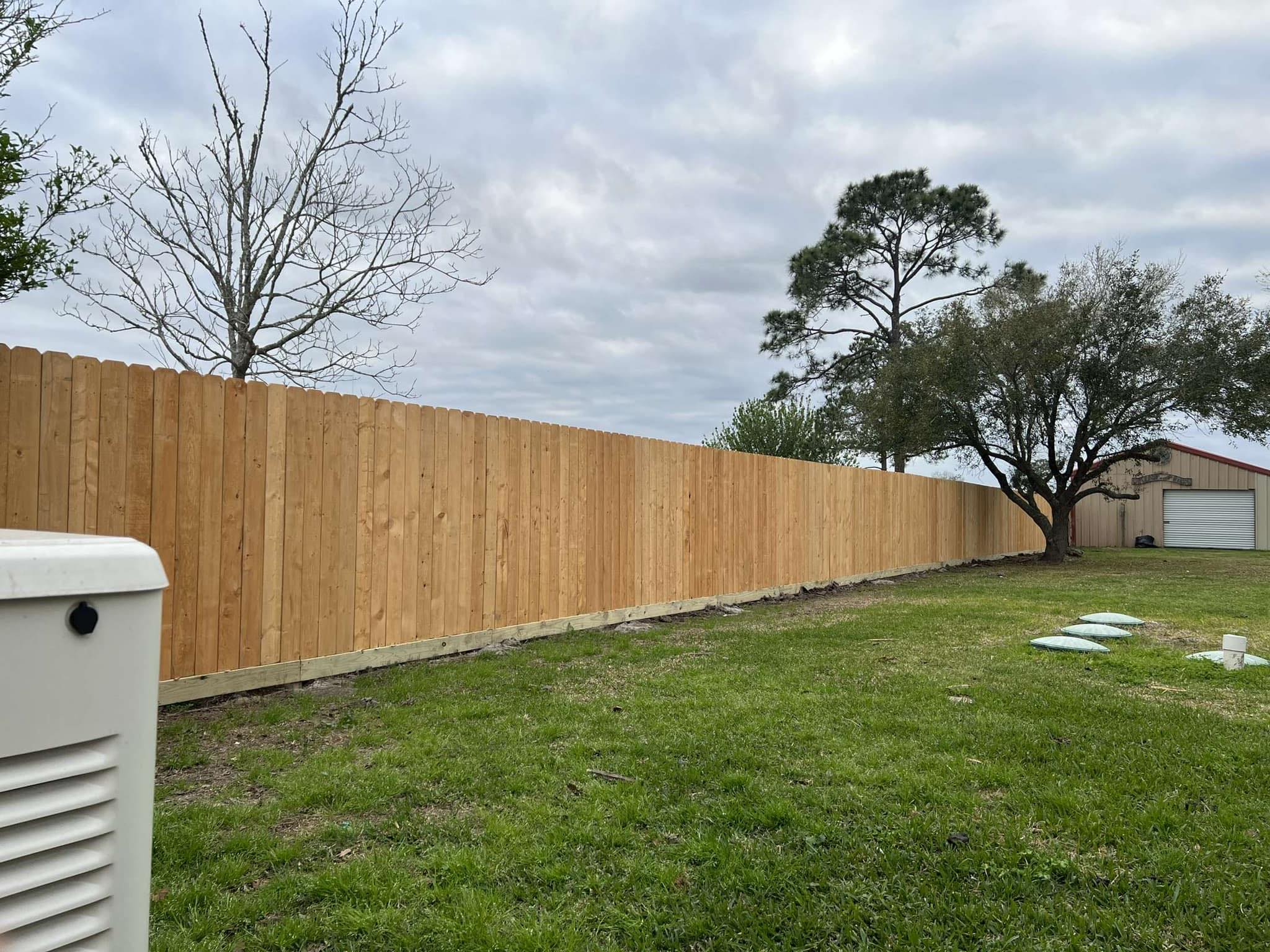
The Role of Fencing in Sustainable Land Development Apr 08, 2026
Fencing is an integral aspect of land development, providing both functional and aesthetic benefits. One of the primary roles that fencing plays in sustainable development is in resource management. By delineating property borders and protecting land from overuse or misuse, fences help manage land resources effectively. They can keep livestock or wildlife in designated areas, preventing overgrazing and promoting ecological balance.
Environmentally conscious fencing solutions are another significant factor in sustainable development. Innovations in eco-friendly fencing materials, such as recycled plastics or sustainably harvested wood, help reduce the carbon footprint associated with traditional fencing materials. These materials often require less maintenance and are resistant to elements, providing a durable, long-term solution that minimizes environmental impact.
Water conservation is a key concern in sustainable land development, and fencing can play a surprisingly effective role. Strategic placement of fences can aid in directing the flow of water across a property, preventing soil erosion and ensuring water resources are used efficiently. By controlling how water moves in and out of a development area, fences help maintain soil health and support plant life, which is essential for any sustainable development endeavor.
Moreover, by using fencing to define and protect natural habitats and ecosystems within a development, Longhorn Fence & Land Development can contribute to biodiversity conservation. By safeguarding these areas, we support the habitats of local flora and fauna, ensuring that development does not come at the cost of biodiversity. Wildlife-friendly fences, which allow animals safe passage without interrupting their natural behaviors, can also be incorporated into sustainable fencing designs.
Community safety is another fundamental aspect of sustainable development, and fences provide security and peace of mind. A well-constructed fence can deter unauthorized access and help protect both human and environmental resources in a development area. Furthermore, natural barriers created through the strategic planting of hedges and shrubs can enhance privacy and security without the need for abrasive measures.
For Longhorn Fence & Land Development, offering sustainable fencing solutions not only caters to environmentally conscious consumers but also fulfills community needs without compromising the ecological integrity of the land. Sustainable practices can help a community grow while ensuring minimal impact on natural resources.
In conclusion, fencing plays an essential role in promoting sustainable land development by balancing human needs with environmental stewardship. By integrating eco-friendly materials, managing resources effectively, protecting biodiversity, and ensuring community safety, fencing solutions contribute significantly to sustainable development goals. As communities increasingly prioritize sustainability, Longhorn Fence & Land Development is positioned to lead by example, providing fencing solutions that are both innovative and environmentally responsible. As we advance, our focus remains steadfast on delivering quality and sustainability in every project, ensuring that our development efforts leave a positive mark on both the environment and the community.
/filters:no_upscale()/filters:format(webp)/media/3c8375b7-5789-405d-a0b0-c4ad2b5877b3.jpeg)