The Environmental Impact of Your Fencing Choices Apr 16, 2026
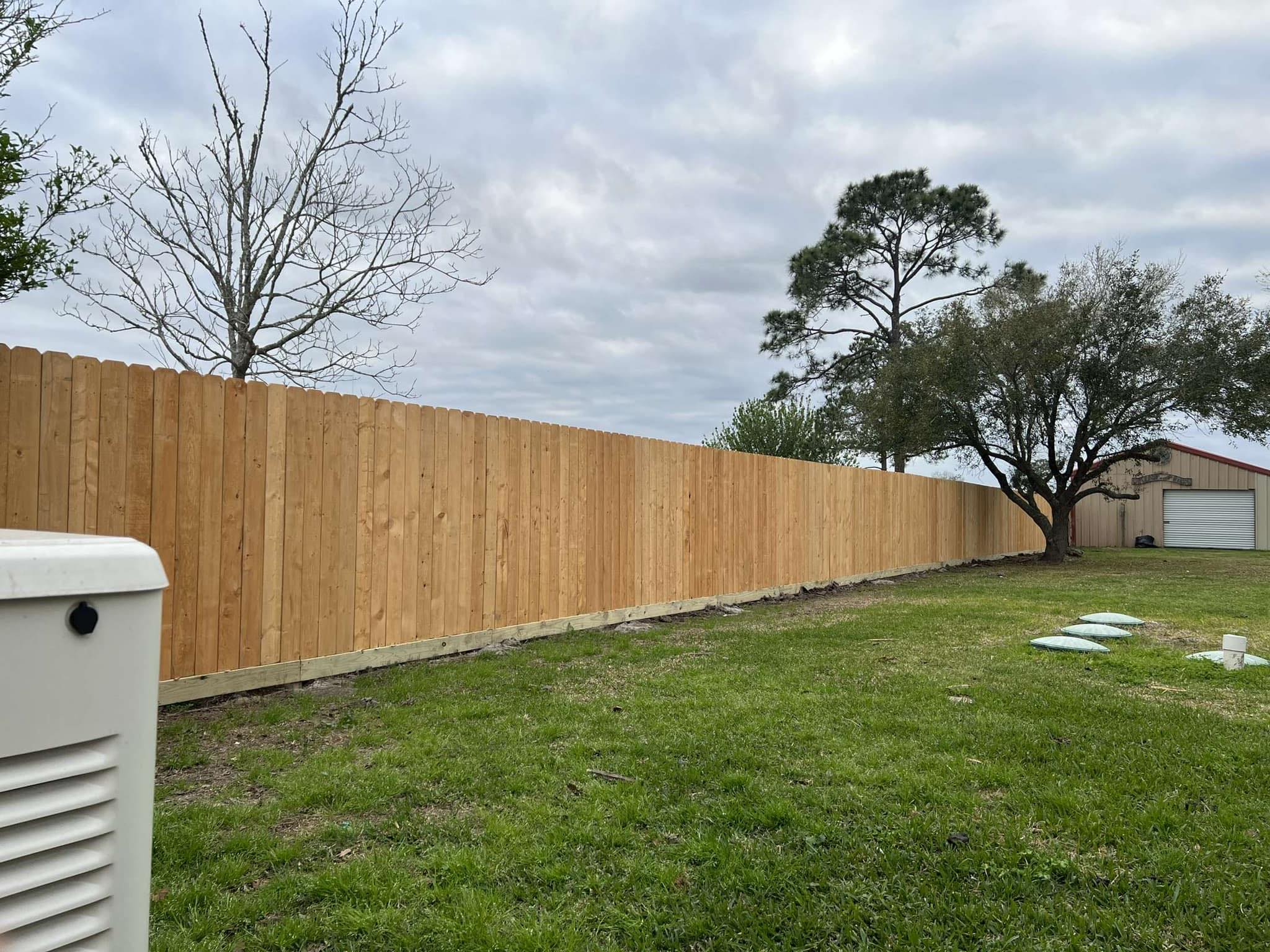
When delving into the environmental impact of different fencing materials, it's important to start with the most traditional option: wood. Wooden fences are a classic choice for many homeowners. Nevertheless, they come with environmental considerations. Wood sourcing can lead to deforestation if not managed sustainably, and treatments to prevent rot might release harmful chemicals into the soil. However, if wood is your preferred material, opt for sustainably sourced lumber certified by the Forest Stewardship Council. Additionally, using natural, non-toxic sealants can help reduce environmental harm.
On the other hand, metal fences, such as those made from steel or aluminum, offer durability and recyclability. Metal fencing often requires less maintenance than wood, which extends its lifespan and potentially reduces waste. Recycling metal consumes significantly less energy compared to creating new metal from ore, making recycled metal fencing a greener option. However, it is crucial to balance the longevity and recyclability of metal with the ecological cost of mining and production.
Another eco-friendly choice is composite fencing. Made from a blend of recycled wood fibers and plastic, composite fences offer the appealing look of wood without the high environmental cost. These fences require less frequent replacement, resist weather damage, and are commonly made from recycled materials. However, it’s important to verify that these composites do not contain harmful toxins, ensuring they break down safely when their lifespan ends.
Vinyl fencing, while appealing for its low maintenance needs, can pose significant environmental issues. Its production involves the use of non-renewable resources and potential release of toxic chemicals. Choosing recycled vinyl or seeking out vinyl products that incorporate environmentally friendly manufacturing processes can serve as more sustainable options.
As we consider the implications of various materials, it’s also valuable to think about the location and climate of your installation. Local weather conditions can impact the longevity and effectiveness of certain fencing materials, potentially increasing their environmental costs if frequent replacements are necessary. Moreover, planning landscaping around your fence with native plants can promote local biodiversity while also enhancing the aesthetic appeal of your fencing.
In conclusion, while there are numerous factors to consider in making an environmentally responsible fencing choice, being informed is the first step toward responsible decision-making. With the ongoing environmental challenges we face, opting for sustainable solutions from Longhorn Fence & Land Development can contribute to a healthier planet. Consider eco-friendly materials, sustainable sourcing, and long-lasting designs to minimize your environmental footprint. Remember, a fence not only surrounds your home but also symbolizes your commitment to a sustainable and eco-conscious lifestyle. By choosing wisely, you invest in a greener future, both for your property and the wider environment.
/filters:no_upscale()/filters:format(webp)/media/3c8375b7-5789-405d-a0b0-c4ad2b5877b3.jpeg)